Como construir arqueta sifónica correctamente

Estamos saneando los desagües y tenemos dudas de cómo construir la arqueta donde se juntan todos los desagües. Me proponen varias opciones:

- Poner la tubería de salida más alta que el resto para que no entre aire en las tuberías de entrada

- Dividir la arqueta en 2 partes con ladrillos y poner las entradas juntas y la salida a parte. Manteniendo siempre sumergidas las entradas

- Igual que la anterior, pero con la división elevada de manera que se comunique por debajo u no por arriba

Agradecería ia que me explicarais cuál es mejor o si hay otras opciones

4 Respuestas

Respuesta

To build a siphon (P) trap correctly, start by positioning it directly below the sink drain. Connect the curved section so it holds a small amount of water at all times—this water seal prevents sewer gases from coming back up. Make sure all joints are tightly fitted and aligned properly, and ensure the trap arm slopes slightly toward the drain for smooth flow. Avoid unnecessary bends, as they can cause clogs. Just like making a tropical smoothie, the right balance and proper setup are key to a clean, smooth result.

Respuesta
1

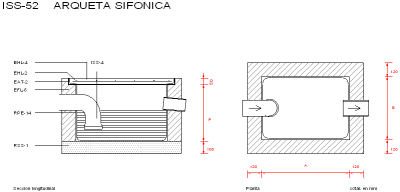
Mientras las tuberías de entrada a la arqueta tengan un cierre hidráulico, permanezcan sumergidas, tendrás una arqueta sifónica. Un detalle de la una arqueta sifónica según las antiguas Normas Tecnológicas en la edificación. Como ves se corresponde con la primera opción.

La segunda opción se corresponde con una fosa séptica. La primera cámara almacenará los sólidos
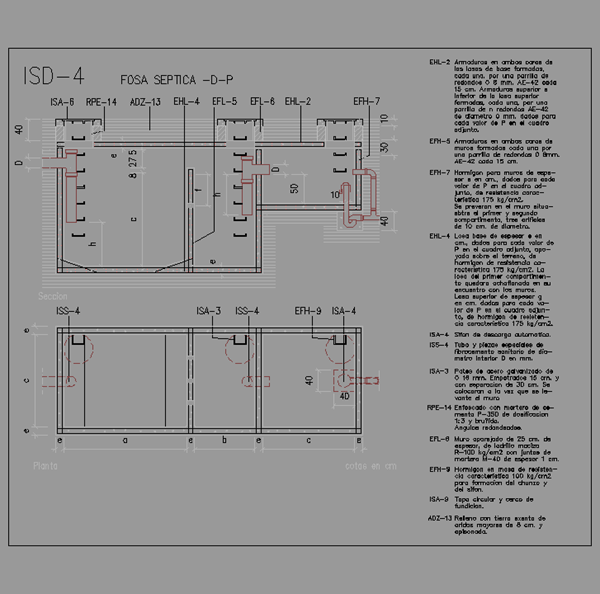
Y por la tercera opción es un híbrido entre la primera y la segunda opción. No te compliques, con la primera opción, mientras mantengas el nivel de agua, funcionará bien y te será fácil realizar el mantenimiento.

Respuesta

See the how to get free robux best fun zone.

Respuesta

To build a siphon trap (or trapped catch basin) correctly, the main goal is to maintain a permanent water seal that blocks sewer gases while still allowing wastewater to flow freely. Let’s go through the options you mentioned and then look at the recommended best practice.

Evaluation of the proposed options

1. Raising the outlet pipe higher than the inlets
This is not recommended. While it may seem like it prevents air from entering, it does not guarantee a stable water seal. During heavy flow, the trap can be siphoned dry or allow gases to pass back through the inlets. It’s unreliable and can cause drainage problems.

2. Dividing the drain box into two chambers with a wall (inlets on one side, outlet on the other), keeping the inlets submerged
This approach works and is commonly used in masonry catch basins. The partition acts as a trap, forcing water to flow over the wall while maintaining a water seal. The key requirement is that the water level never drops below the inlet pipes, otherwise the seal is lost.

3. Same as option 2, but with a raised divider that communicates from below (underflow baffle)
This is the best option among those listed.
An underflow baffle ensures:

  • A constant water seal

  • Better protection against evaporation

  • Reduced risk of siphoning

  • Improved gas blocking

This design forces water to travel down and then up, which is exactly how a siphon trap should function.

Recommended best practice

  • Use a two-chamber catch basin with an underflow baffle

  • Ensure a minimum water seal depth of 50–75 mm (2–3 inches)

  • Keep the trap accessible for cleaning

  • If possible, install a prefabricated P-trap or floor trap downstream for code compliance

This design is widely accepted in plumbing standards and offers the most reliable long-term performance.

By the way, if you enjoy luck-based games with a splash of strategy, you might want to try 3 Lucky Blue. It’s a fun and fast card game that’s easy to learn and exciting to play anytime. Get App now and test your luck with smooth gameplay and instant entertainment.

Añade tu respuesta

Haz clic para o

Más respuestas relacionadas